Support for Caregivers
When someone you are caring for is recovering, you’re on the journey too
Caregiving is loving—and it’s hard. Here you’ll find reassurance, boundary-setting tips, and ideas for caring for your own well-being while supporting someone you love.
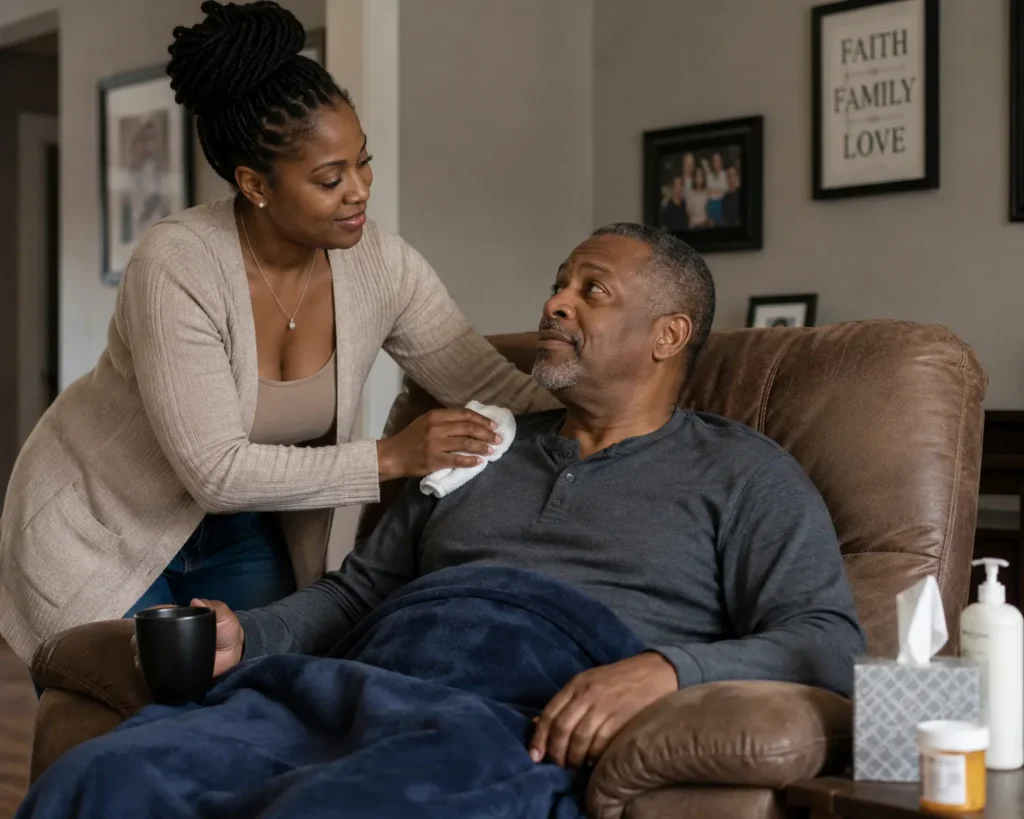
A role that often arrives without warning
Caregiving means assisting with the physical, emotional, and practical needs of someone you love. It is one of the most meaningful things a person can do — and one of the most demanding. Without adequate support, caregiver burnout is a real and common outcome.
The stress of supporting a loved one through a cardiac event can leave you more exhausted and physically run down than you realize. Proper rest and nutrition matter just as much for you as they do for the person recovering. It is also completely normal to experience a mix of emotions — fear, anger, or even guilt — and it is important not to let those feelings build without seeking support.
You do not need to be at the hospital every hour. Rest at home when you can — the care team will contact you if anything changes. And while a cardiac diagnosis does mean lifestyle adjustments, those changes can benefit the whole family. Many families find they come out of it living healthier, more connected lives.
8 Tips for Self-Care
You cannot pour from an empty cup. These practices help maintain your resilience while caring for others.
Communicate
Keep an open dialogue about your needs and the needs of the patient.
Compassion
Be kind to yourself. You are doing a difficult job and perfection isn't the goal.
Write it Down
Keep a journal or notes to track progress and release emotional weight.
Make Time
Carve out 15 minutes a day just for yourself—read, walk, or breathe.
Say Yes
When others offer help, accept it. Let them take a task off your plate.
Give Control
Let the patient make decisions where possible to maintain their dignity.
Helper not Policeman
Support their journey rather than directing every single step they take.
Focus on Priorities
Not everything is urgent. Focus on the core tasks that truly matter today.
The Role of Occupational Therapy
Occupational Therapists (OTs) are key partners in the caregiving journey. They don't just focus on recovery—they focus on living. An OT can help you modify your home environment to make caregiving safer and easier for both parties.
They provide strategies for activities of daily living (ADLs), energy conservation techniques, and assistive devices that empower the patient to be more independent, ultimately reducing the physical demand on the caregiver.
- Home safety assessments
- Adaptive equipment training
- Cognitive and physical pacing strategies
Recognizing the Challenges
Caregiver burden is real. It is the physical, emotional, and financial strain that can result from caring for a loved one. Recognizing these signs early is crucial for your long-term health.
Watch for changes in your own sleep patterns, increased irritability, feelings of resentment, or withdrawing from social activities you once enjoyed. These are not signs of weakness—they are signals that you need more support.